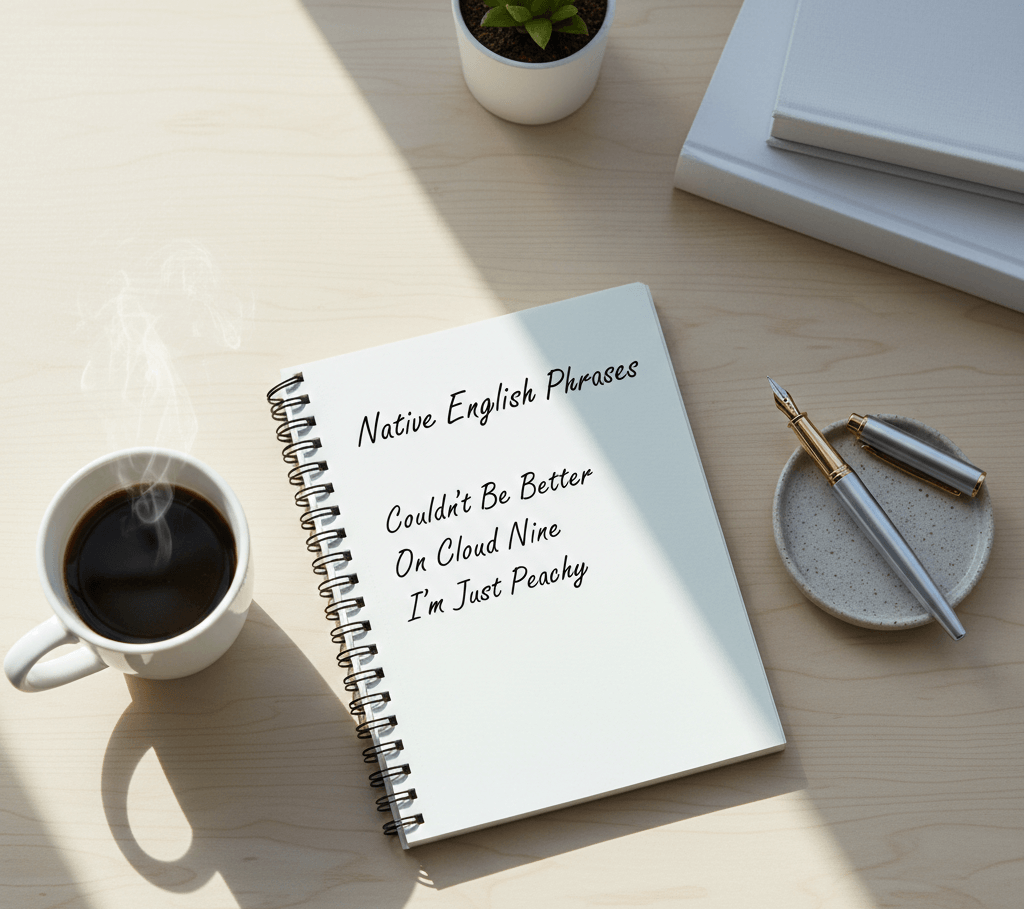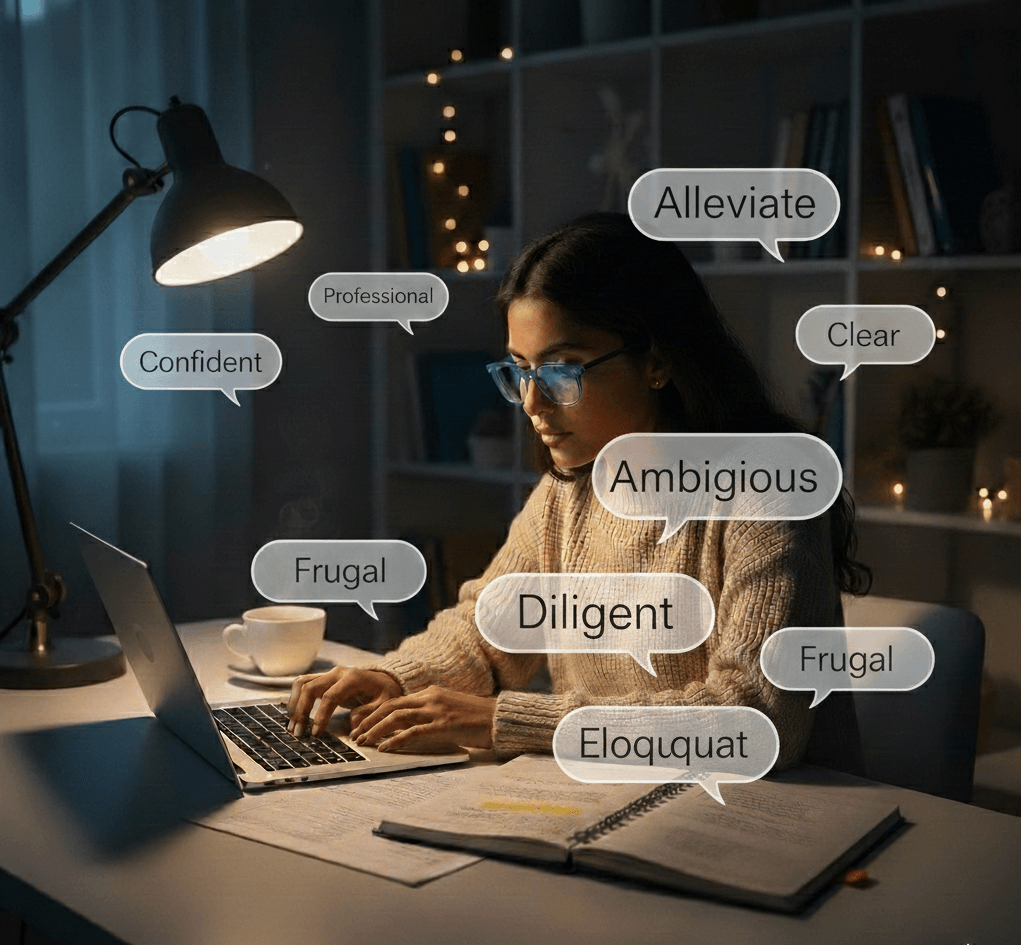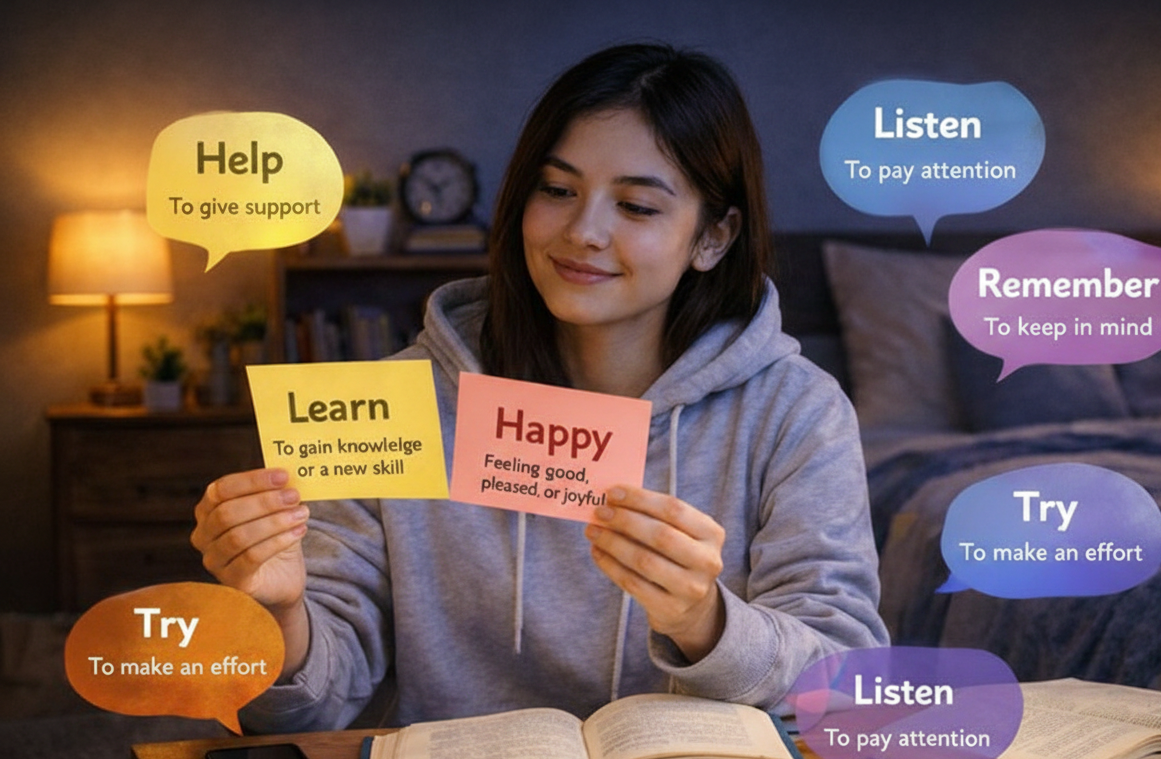

Mastering Advanced English Vocabulary is the single most effective way to transform your communication from average to extraordinary. Many learners feel stuck at an intermediate level because they keep using the same basic words over and over again. Honestly, it gets so boring after a while! If you want to sound like a native professional, you must start incorporating daily use English words that carry more weight and emotion. In this guide, we will break down the barriers of boring English and give you the tools to express yourself with absolute clarity and style.
The Problem with “Very” and Why You Should Avoid It
When we are learning, “very” is like our best friend. We say we are “very tired” or “very happy” because it’s easy. But in the world of Advanced English Vocabulary, “very” is considered a weak word. It doesn’t tell a story or show how you actually feel. Using specific words instead of “very” plus an adjective shows that you have a deep understanding of the language. It makes your writing look professional and your speaking way more engaging for the listener. Think of it like a game upgrade!
Positive Emotions: Expressing Joy and Success
To have a positive impact on the people around you, you need words that radiate energy. Instead of just saying you are “very happy,” try using these cool words:
- Elated: Use this when you are on top of the world because of a specific success. For example, “She was elated after her promotion.”
- Thrilled: This is perfect for that bubbly excitement feeling. For example, “I am thrilled to announce our new partnership.”
- Exultant: This is a very powerful word for a big triumph or victory. For example, “The team was exultant after the final goal.”
Negative Emotions: Dealing with Anger and Stress
Negative sentiments are just a part of life, but expressing them with Advanced English Vocabulary makes you sound more controlled and smart. Instead of shouting, use better words:
- Infuriated: Use this when someone’s behavior is totally unacceptable and you’re about to lose it. For example, “I was infuriated by his lack of respect.”
- Exasperated: This is for when you are frustrated and have zero patience left. For example, “The teacher was exasperated by the noisy class.”
- Distraught: This is for a deep, painful sadness that’s hard to explain. For example, “The news left the entire community distraught.”
The Impact on Your Social Confidence
Why do people spend hours searching for common English words on the internet? It’s because they want to fit in and feel cool. But just fitting in isn’t enough; you want to stand out and be the main character! When you use Advanced English Vocabulary, you naturally command respect without even trying. Whether you are writing a quick professional email or just chatting with your friends, your choice of words defines your personality. It shows you are someone who pays attention to detail and values high-quality communication.
Daily Habits to Expand Your Word Bank
You don’t need to swallow a whole dictionary to learn daily use English words. Just start small and stay consistent:
- Read Modern Articles: Websites like BBC or New York Times use really great vocabulary that isn’t too old-fashioned.
- Contextual Learning: Don’t just learn a word on its own. Always learn the situation or the “vibe” where it is used.
- Use it or Lose it: This is the golden rule! If you learn a cool word like “livid” today, try to use it in a text or a sentence before the day ends.
The Power Vocabulary Table (2026 Edition)
| Basic Word (Very +) | Advanced Power Word | Urdu Meaning | Example Sentence |
| Very Happy | Elated | بہت خوش (Bohat Khush) | She was elated after her promotion. |
| Excited | Thrilled | پرجوش (Pur-josh) | I am thrilled to announce our new partnership. |
| Very Successful | Exultant | فاتحانہ (Fatihana) | The team was exultant after the final goal. |
| Very Angry | Infuriated | شدید غصہ (Shadeed Gussa) | I was infuriated by his lack of respect. |
| Very Frustrated | Exasperated | عاجز آ جانا (Aajiz aa jana) | The teacher was exasperated by the noisy class. |
| Very Sad | Distraught | شدید پریشان (Shadeed Pareshan) | The news left the entire community distraught. |
Overcoming the Fear of Big Words
Many beginners are afraid that using Advanced English Vocabulary will make them sound “extra” or arrogant. Honestly, that’s just a myth. As long as you use the words in the right context, people will be impressed by how fluent you are, not annoyed by your words. The secret is to balance your sentences. Just mix your common words with one or two powerful ones to keep it natural.
Conclusion
If you feel like you need a stronger foundation before jumping into these big words, don’t forget to read our previous lesson on Master Easy English Vocabulary for Daily Use. It’s perfect for getting the basics right first! If you are ready to take the next step, make sure to check out our previous guide on Modern English Lingo and Slangs to see how informal language complements formal learning. For a deeper academic understanding of how words evolve over time, you can always refer to the Oxford English Dictionary to see the history of these powerful terms. You can also explore the Longman Dictionary
Start your transformation today! Don’t just speak, make a huge impact!